
Quintero Orthodontics
Orthodontic Specialist for Children and Adults
Call us! (305) 666-4642
Office Hours
Mon - Thu 8am - 5pm
Friday 8am - 1pm

Welcome to Quintero Orthodontics
Your Trusted Orthodontist in South Miami, FL
Thank you for your interest in our practice! You are here because you may be considering changing your smile or the smile of someone you love, and a smile can truly be a life-changing experience. At South Miami Orthodontics we believe that making a positive change in your life should be an enjoyable experience and are here to ensure that your smiling at every step.
Our practice is dedicated to celebrating our patients by providing an unparalleled level of professional, friendly, top quality care and service. We offer a wide assortment of treatment options to meet your needs including early interceptive care, adult and child orthodontics and accelerated orthodontic options.
What Makes Quintero Orthodontics Stand Out?
In a world filled with orthodontic practices, Quintero Orthodontics stands tall as a shining beacon of tooth-straightening excellence. With their state-of-the-art facilities, highly skilled staff, and unwavering commitment to patient satisfaction, they have become a leading force in the industry. But don’t just take our word for it – let’s break down the elements that set them apart:
1. Artificial Intelligent Orthodontic Treatment
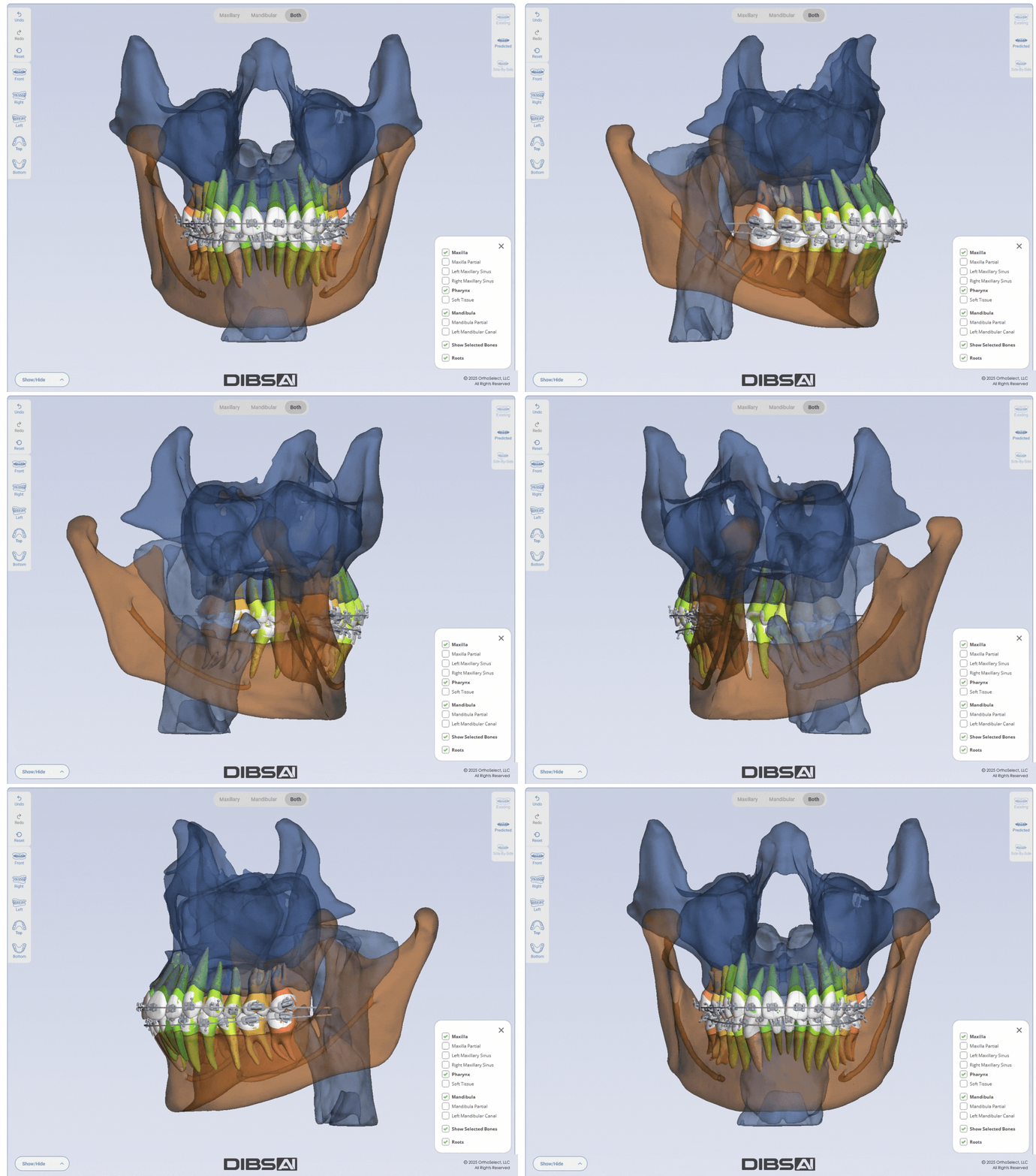
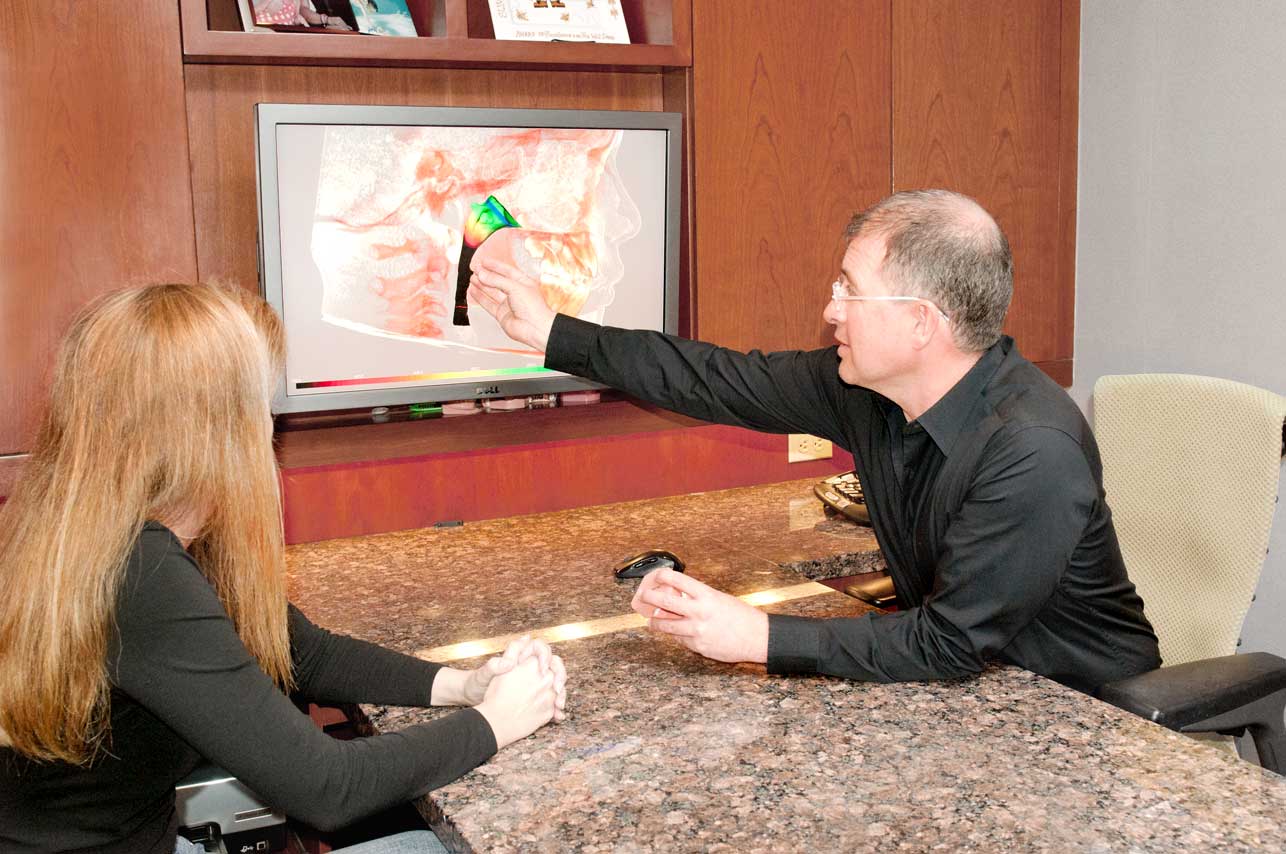
Imagine less time in treatment, and more precision in every pixel of your smile. Welcome to the future of smile design—where Quintero Orthodontics fuses cutting-edge artificial intelligence with advanced multidimensional imaging to sculpt your ideal smile before treatment even begins. Our diagnostics are next-level: a bespoke blueprint built through algorithmic insight and integrative design, tuned specifically to your facial anatomy and goals.
From machine learning models that refine mechanics to intelligent systems that optimize every adjustment, your orthodontic journey becomes a sleek, data-driven masterpiece. No guesswork. No wasted time. Just brilliantly engineered results.

2. Expert Staff
The team at Quintero Orthodontics is nothing short of extraordinary. Led by the esteemed Dr. Quintero, an orthodontist with years of experience under his belt, the practice boasts a roster of talented professionals who are dedicated to providing top-notch care. With their expertise and friendly demeanor, you’ll feel right at home in their capable hands.
3. All Ages Welcome
From teens to seniors, Quintero Orthodontics has something for everyone. We offer a wide range of treatment options, including traditional braces, braces behind the teeth and early intervention orthodontics for children. So whether you’re looking to fix a crooked smile or prevent dental issues down the line, we got you covered.
The Quintero Orthodontics Experience
So what’s it like to embark on a tooth-straightening journey with Quintero Orthodontics? Picture this: You walk into their modern, inviting office, greeted by the warm smiles of their friendly staff. As you relax in their comfortable waiting area, sipping on a cup of complimentary coffee, you can’t help but feel at ease. Once in the chair, your personalized treatment plan unfolds before you, tailored to your specific needs and desires. It’s a dental wonderland, and you’re the star of the show!

Orthodontic services in South Miami
Clear Aligners
Clear Aligners are the virtually invisible way to straighten your teeth without braces, using a series of clear, removable aligners to straighten your teeth without metal wires or brackets. You wear each set of clear aligners for about two weeks, removing them only to eat, drink, brush, and floss.
3D & Airway Treatment
Dental Facial Orthopedics
Braces behind your Teeth
Completely hidden behind your teeth, Lingual Orthodontics is the truly invisible way to a better smile. Plastic aligners cover your teeth on the front and the back. They go behind your teeth only and not in the front so nobody can not see them.
100% Digital Orthodontics
Facial Structural Treatment
Meet Our Specialists
Quintero Orthodontics has been creating beautiful, healthy smiles in South Miami for over 40 years. The combination of experience and cutting edge technique make our orthodontics practice unique and able to deliver a level of care that we know you be smiling about!
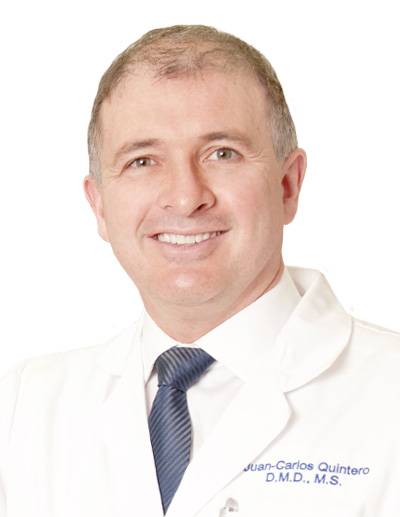
Juan-Carlos Quintero, DMD, MS
Doctor of Medical Dentistry
Master’s of Science in Oral Biology
Specialty Certificate in Orthodontics
(University of California-San Francisco)
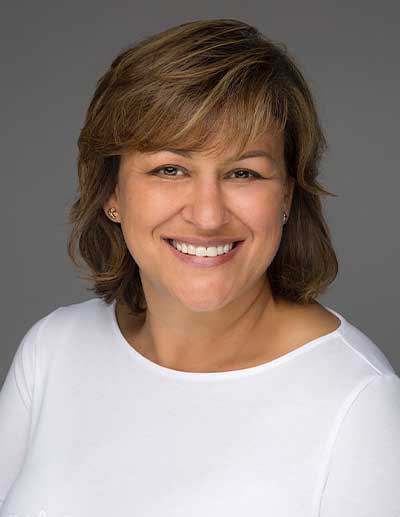
Teodora Bonney, DMD, MS
Doctor of Medical Dentistry
Master’s of Science in Oral Biology
Specialty Certificate in Orthodontics
(University of Pennsylvania)
Orthodontic care for the entire family
Custom treatment options for all lifestyles. Dr. Quintero and Dr. Bonney will work with you to design a tailored treatment plan that best fits your needs.
Orthodontics for children
Orthodontics for teens
Orthodontics for adults
We are a full service orthodontic
specialty practice
It is important to choose an orthodontic specialist for the orthodontic needs of you and your family. You would not choose your primary care physician to perform a face lift. Why choose anybody but an orthodontic specialist for you orthodontic treatment. Our orthodontic specialists pride themself in offering you the very latest, proven, safe and effective method for optimum orthodontic care.
Frequently asked questions
When is the best time to begin orthodontics?
If you want to improve the look and feel of your smile, then any age can be a great age to see the orthodontist. The American Association of Orthodontists recommends that children first visit an orthodontist around the age of seven; however, orthodontic treatment is not exclusive to children and teens, with about one in every four orthodontic patients being over the age of 21. Whether you’re considering treatment for yourself or for a child, any time is a good time to visit the orthodontist.
What are the benefits of early orthodontic evaluation?
Early evaluation provides both timely detection of problems and greater opportunity for more effective treatment. Prudent intervention guides growth and development, preventing serious problems later. When orthodontic intervention is not necessary, an orthodontist can carefully monitor growth and development and begin treatment when it is ideal.
Are you a candidate for orthodontic treatment?
Orthodontics is not merely for improving the aesthetics of the smile; orthodontic treatment improves bad bites (malocclusions). Malocclusions occur as a result of tooth or jaw misalignment. Malocclusions affect the way you smile, chew, clean your teeth or feel about your smile.
How long does treatment last?
The length of treatment will depend on the kind of problem an individual patient has. Simple cases may take only a few months to treat, while a complete bite correction can take a couple years. Our Orthodontists have the skills and tools to deliver a healthy, beautiful smile in the least amount of time.
Will braces hurt?
Orthodontic treatment has come a long way in recent years. New technology allows us to use lighter forces to move the teeth over a much shorter amount of time. You can expect the braces to make your teeth sore for a few days after they are placed and after each adjustment. These adjustments will make you more conscious of your teeth, but they should not be painful. This annoyance can be relieved with an over-the-counter pain reliever (use as directed). Today’s braces are smaller, more comfortable and use technology that reduces the discomfort. We use the latest in technology in order to reduce discomfort and treatment time.
Can I get braces if I’m missing some teeth?
It can be possible for you to have successful orthodontic treatment if some teeth are missing, depending on your circumstances and your treatment goals. Orthodontic treatment may be able to close the space of a missing tooth, or may be able to create or save sufficient space for a replacement tooth/teeth. Visit our office to discuss what is right for you. Our orthodontists may need to work with your primary care dentist and/or other dental specialists to help you achieve your treatment goals.
I don’t want old-fashioned braces. What are my options?
Thanks to advances in technology, your treatment options may include ceramic (tooth-colored) braces, lingual braces, which are placed behind the teeth, or clear aligner trays.
What is the difference between a Dentist and an Orthodontist?
A dentist is similar to your family doctor — great for check-ups and filling cavities. An orthodontist is a specialist who has two to three years of additional education, and is an expert in straightening your teeth and choosing the treatment option that’s best for you.
How long will I be in braces?
Treatment time obviously depends on each patient’s specific orthodontic needs. In general, treatment time lasts from 6 months to 30 months and varies based on individual treatment complexity, needs, and personal treatment goals.
How do I take care of my retainer?
If you take out your retainer to eat, make sure you brush your teeth, floss, and remember to keep it safe in its container so that it does not get lost or broken. Keep your retainer clean by brushing it gently with a toothbrush and antibacterial soap. Do not put your retainer in boiling water or in the dishwasher. Brushing your retainer with toothpaste is not recommended.
"Dr. Quintero and his staff are extremely professional every time I or one of my family members visits his office. He thoroughly explains every procedure and is completely honest about what you need and do not need."
"Dr. Quintero has been my orthodontist for many years and his attention to detail is second to none . His staff is courteous, friendly and knowledgeable. I highly recommend his expert service for all ages!"
"Dr. Quintero and his staff are awesome with my children's and my orthodontic care. I am no longer nervous when I have an appt and we always get reminders when it time for our cleaning. Much respect to this crew of excellent people."





Top Orthodontist Specialist in Miami
Our Orthodontic Office is located on the corner of SW 57th Ave and SW 77th Terrace, next to Jorge R. Blanco DDS, in South Miami. Our Specialized Orthodontist and team welcome patients from Pinecrest, Coral Gables, Kendall, Miami and other surrounding communities.
Proudly Serving our Community




Orthodontics Blog

Can Braces Fix an Overbite
Can Braces Fix an Overbite?An overbite, also known as a deep bite, occurs when the upper front teeth significantly overlap the lower front teeth. This misalignment is common and can stem from various causes, such as genetics, prolonged thumb-sucking in childhood, or...

Who Might Consider Lingual Braces for Their Smile Journey
Who Might Consider Lingual Braces for Their Smile Journey?Imagine Sarah, a young professional who always aspired to have a perfect smile but felt self-conscious about wearing traditional braces. She feared that metal brackets would overshadow her confidence during...

Are Lingual Braces a Costly Investment in Your Smile
Are Lingual Braces a Costly Investment in Your Smile?Once upon a time, in the bustling streets of South Miami, there lived individuals from all walks of life, each carrying their own unique stories and dreams. Among these dreams was the universal desire for a...